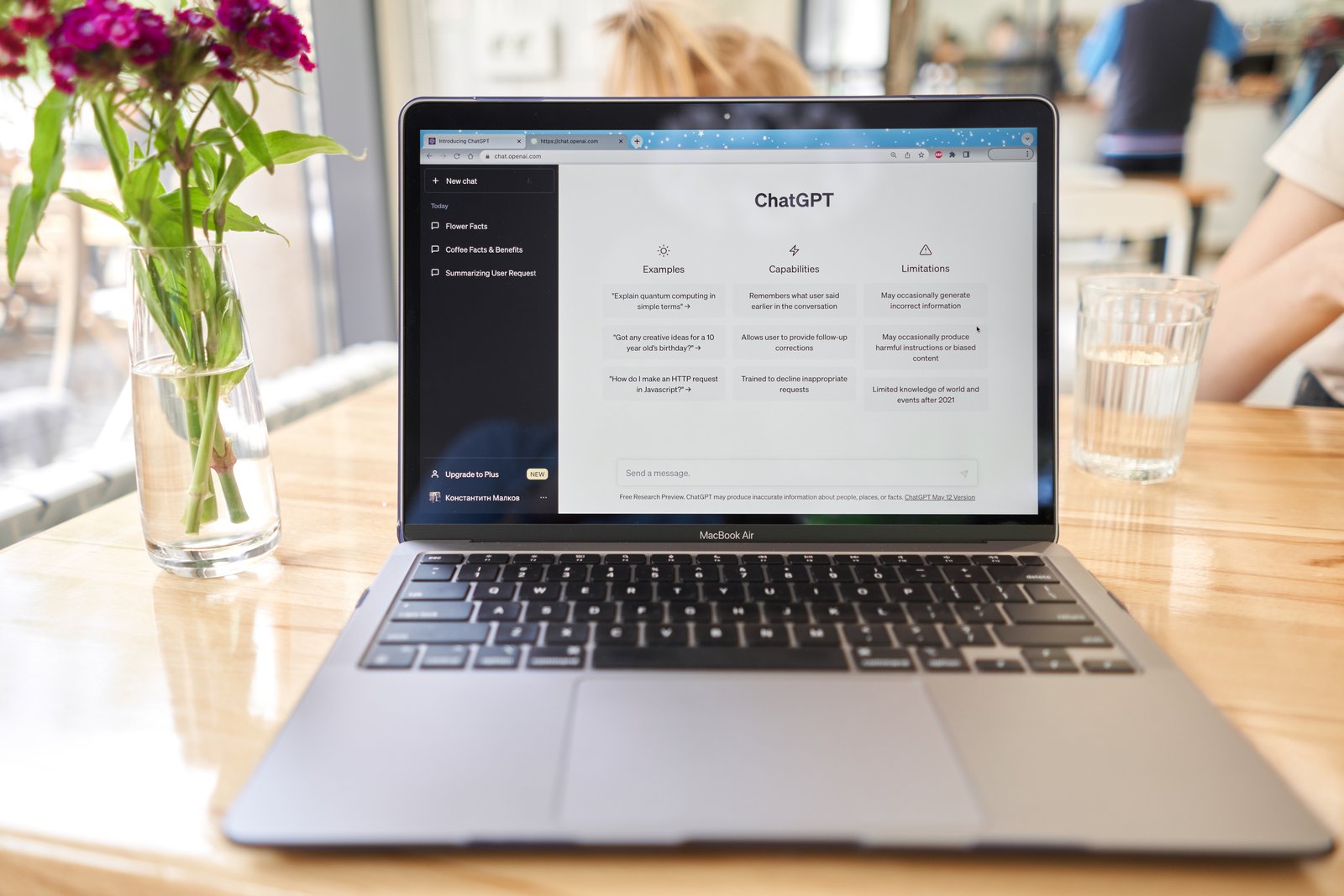
What if you used ChatGPT to respond to customer reviews? Hadn't thought of it yet? Read on.
The impact of customer reviews on a store's performance is well established. 88% of consumers read them before buying. Online reviews influence store footfall, average basket size, online reputation and local SEO.
Knowing all that, it is hard to sit back and tell yourself there will always be unhappy customers. Customer reviews help you understand what your customers expect. But they are also opportunities to talk to them directly.
Most of the time, when customers post a review (especially a negative one), they want a reaction. They are waiting for your reply. And they are not the only ones: in France, 95% of internet users who read reviews also read the business's replies.
So yes, you should respond to customer reviews, and as quickly as possible. But responding to reviews takes time. Local teams are sometimes reluctant to take it on. Or staff simply do not know what to say.
What if ChatGPT acted as an assistant to help you handle review replies more efficiently?
Why use ChatGPT to respond to your customer reviews?
Responding to reviews: a tough exercise for store teams
Customer reviews are conversations. A customer speaks up and, ideally, someone from the business replies. The exchange is asynchronous, but it is very real.
It also happens in front of an audience. On public review platforms, your replies are visible to every user. Your reply speaks not only to the reviewer but also to everyone else reading the reviews.
The relevance, quality and tone of your replies affect your online reputation. So you need to put them in context and personalise them as much as possible. Ideally, local teams should reply, because they are in direct contact with the customer.
In practice, though:
- Responding to customer reviews is not local staff's main job, and they do not always see the point of it.
- Writing personalised replies to every customer review takes a lot of time.
- Local staff have to manage their own feelings when a customer's criticism is harsh.
- Store staff do not necessarily have the right words or the right tone. Or they simply do not know how to answer certain reviews.
So why not call on outside help?
ChatGPT, a tool trained for conversation
Short on time or short on ideas: responding to customer reviews can be a real challenge for teams. ChatGPT can help you automate the reply process, at least in part.
OpenAI's chatbot has been trained to respond to users conversationally.
Give it the right prompt, and it will be able to:
- understand your request;
- analyse the customer reviews you give it;
- suggest a reply that fits the context, based on the details you include in your request.
The benefits of using ChatGPT to manage customer reviews
Using ChatGPT in your review reply process has several advantages.
First, it saves a considerable amount of time, especially if you have a large volume of reviews to handle. Even if you do not copy and paste ChatGPT's reply as it stands, you save time with a draft that already fits the context and only needs polishing.
Adding a text-generation tool to the process makes sure every review gets a reply, even at peak times when businesses may not have enough staff to handle customer requests.
The more reviews you have, the more tedious it is to answer them all by hand. Teams very often focus on negative reviews, which are dealt with quickly to limit their lasting effect on online reputation. But they tend to neglect replies to positive reviews, because the benefit seems less obvious.
Yet replying to positive reviews is also a way to nurture the relationship and turn a satisfied customer into a brand ambassador.
ChatGPT's replies also give ideas to the staff in charge of responding. Not everyone is an expert in conversation. And sometimes, especially with negative reviews, you are walking on eggshells. Automating the reply helps you know what to say and choose the right words, so as not to upset an already unhappy customer further.
Finally, ChatGPT is more neutral and objective than a member of staff on the ground, who will tend to be emotionally involved. It is hard not to take a negative review personally, and feelings can colour the reply. ChatGPT helps keep replies objective and professional.
How do you build ChatGPT into your review reply process?
Which prompt should you use to generate replies to customer reviews?
If you want to apply best practice for replying to negative or positive customer reviews, you cannot simply ask ChatGPT to answer the review.
You need to give it instructions that are as precise as possible, so that it generates a reply suited to the context.
Here is a prompt you could use:
"Your task is to respond to customer reviews. Please provide a clear, concise reply that takes the customer's comments into account, whether they are positive or negative. If the review is positive, thank the customer for their encouraging feedback and express your gratitude for their support. If the review is negative, apologise sincerely for any inconvenience caused and offer an appropriate solution to resolve the problem."
Should you use ChatGPT's reply as it stands?
Even with an excellent prompt, ChatGPT will struggle to generate a reply that fits the context 100%.
You will get a correct, objective and relevant reply, but we still recommend editing the text before publishing it, so that it matches your brand's tone and voice. Unless you are really pressed for time, treat ChatGPT's replies as drafts.
The aim, after all, is to streamline the reply process, not to replace the human touch. You are in contact with your customers. You know their context, the local specifics, what makes your store different. Your replies are also chances to show customers that you are close to them and listening to what they say.
Want to streamline how you respond to customer reviews?
ChatGPT lets you automate part of the job and generate consistent replies that you can then adapt.
Upstream, to be even more efficient, you can rely on a customer satisfaction management solution such as Wizville to bring all your reviews together in one place.
Image source: Shutterstock
- Topics
- Customer reviews